
How Long Do Rabbits Live in Captivity? A Pet Lifespan Guide
At one time, rabbits kept in captivity as pets didn’t live as long as they do now. Thanks to improvements in care and a better understanding of what rabbits need to thrive, these popular pets are living longer, healthier lives.
Anyone looking for a pet that embodies a playful personality will want to seriously consider getting a rabbit. If you are thinking about adopting a rabbit into your family, it’s important to know how long they typically live so that you’ll know what to expect.
Becoming Pets
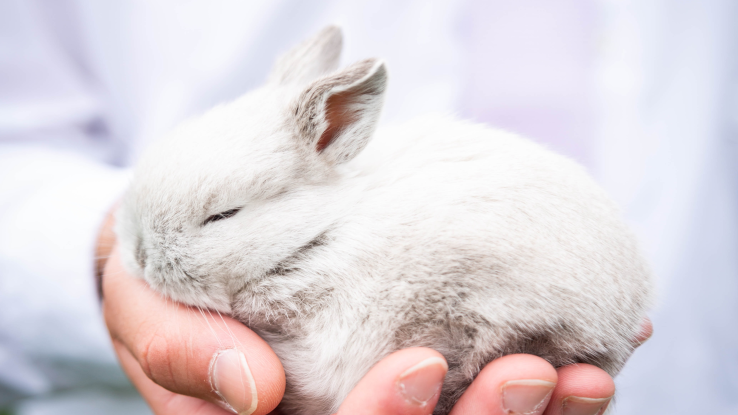
Rabbits didn’t start out as pets. Not very long ago, in fact, rabbits were seen as a source of food and clothing and not much more. It wasn’t until the 19th century that things started to change. People slowly realized that some rabbits were fun to have around.
While different from a pet like a dog, rabbits are capable of holding their own in the pet world. So much so that by the 20th century, it wasn’t uncommon to find a pet rabbit in homes throughout the United States.
At one time, such a thing would have been preposterous. Flash-forward to modern times, however, and using a soft, cuddly bunny for anything other than pet purposes might be looked down on.
When rabbits were first brought in as pets, little was known or understood about how to care for them. As such, their lifespan wasn’t what it is today. Since people didn’t know how to provide adequate care, rabbits were thought to live only a handful of years.
Fortunately, our knowledge and understanding of rabbits have greatly expanded. This opened the door for better care, thus improving rabbits’ chances of survival in captivity.
How Long Do Rabbits Live as Pets?

Not all breeds of rabbits live the same amount of time. Just like various breeds of dogs, some live longer than others. On average, though, you can expect most domesticated rabbits kept as pets to live anywhere between eight and 14 years.
And the smaller the rabbit, the better chance it has of outliving its larger counterparts. What’s more, there are specific rabbit breeds that are commonly known to live ten or more years, including mini lops and Netherland dwarf rabbits.
It’s important to differentiate between wild rabbits and domesticated rabbits. The two are actually different species of rabbits, although they are related. Wild rabbits are known as Lepus sylvaticus, while pet rabbits are known as Oryctolagus cuniculus.
If you were to try bringing a Lepus sylvaticus into your home, you would likely be very disappointed with the outcome. As a wild species, they are not suitable as pets and would need to be turned loose. Attempting to raise one in your home would probably result in it not surviving.
Just like other wild critters, these rabbits need to be outside and free. They are designed for such behavior, whereas a domesticated rabbit that’s accustomed to living indoors might fail to survive in the wild.
Promoting a Long Life
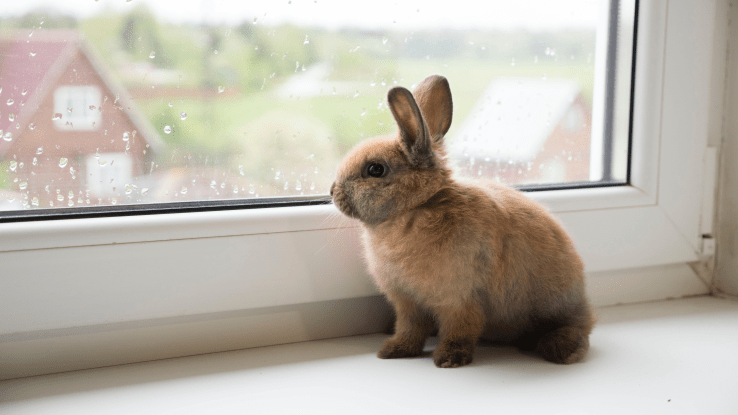
To ensure that you give your pet rabbit the best life possible, it’s important to provide it with the proper diet. Like people and other animals, rabbits need to consume good foods to lead a healthy life. Some pet owners will feed their pet rabbits anything under the sun, including junk food.
This is a bad habit to get into and can result in your bunny’s life ending earlier than it needed to. Therefore, there are specific nutrients that must be given to rabbits. Pellet foods are the best source of daily vitamins, minerals, and fiber that rabbits need to survive.
But that isn’t the only food you should feed your pet rabbit. A consistent source of veggies and hay will do your rabbit wonders, as will some fruits and treats.
However, solely giving a rabbit treats or fruits will quickly lead to malnutrition and sickness, as your pet won’t be getting all of the essential ingredients it needs to thrive.
Additional Care
It’s worth mentioning that while many rabbit owners rely on pellets only, this isn’t necessarily the healthiest diet plan. Many of the pellets you find in pet stores are inadequate, meaning they don’t contain all of the ingredients rabbits need to lead a healthy life.
As such, you’ll want to pay careful attention to the list of ingredients used in various rabbit foods to ensure that there are enough of the necessary components to promote long life.
But food isn’t the only way to assist your pet rabbit in living longer. On top of the food you feed them, it’s important to also look for parasites or illnesses. If left untreated, these things can potentially shorten the lifespan of your rabbit.
Another key practice to remember is to employ good hygiene. Any time you handle your pet rabbit, it’s a good idea to first wash your hands, both before and after.
You can also help your rabbit stay healthy by making sure to clean its cage on a regular basis. If there is hay in your pet rabbit’s cage, it must be replaced with fresh hay often. Hay can develop mold in a very short period of time, which can result in your rabbit getting very sick, especially if it is consumed.
Vet Visits Are Essential
You should also be sure to give your rabbit routine veterinarian check-ups, as this will help catch any health problems or concerns before they turn into something life-threatening. If your rabbit starts displaying signs of sickness, acting fast can make the difference between life and death.
Speak with your vet about spaying or neutering your rabbit. Doing so has been shown to help extend a rabbit’s lifespan. This is largely due to the fact that female rabbits are prone to developing mammary cancer and uterine cancer, while males may develop testicular cancer.
Spaying or neutering can reduce the likelihood of such diseases, thereby allowing your rabbit to live many long and healthy years.
Provide Plenty of Space
Although domesticated, rabbits need plenty of room to move around. Sadly, many pet owners keep their pet rabbits in a cage. Not only is this heartbreaking for the rabbit, but it robs them of the mental stimulation that they so desperately need.
If you’re going to adopt a pet rabbit, you need to be willing to let it roam around. If you’re concerned with it chewing on things in your home, you may need to keep a close eye on it while it explores. If you are unable to devote this kind of time and attention, a rabbit may not be the best pet option for you.
There are ways to deter rabbits from chewing on things, one of which is to provide them with their own toys. There are plenty of safe chewables that you can buy for rabbits. What’s more, such things serve to help keep their teeth at a healthy length while providing the stimulation rabbits need.
The Right Environment
Rabbits do the best in a home that is calm. A lot of loud noises, stress, and yelling will only harm your rabbit. In fact, too much stress can kill a rabbit. If you have children or other animals in your home, such as a dog or cat, they can also cause your rabbit to die.
Rabbits can go into sudden shock when they are taunted, chased, or handled too roughly. When this happens, they could easily die. It is therefore imperative that you strongly consider your surroundings and whether they are suitable for a rabbit before bringing one into your family.
If you strive to show your rabbit love and gentleness in a relaxing environment, it will surely thrive. Combined with a healthy diet and plenty of exercise, there’s no reason a domesticated rabbit can’t live a long and happy life as your pet.
Typical Lifespans of Popular Domesticated Rabbits
- Mini Rex: 5 to 7 years
- Holland Lop: 7 to 14 years
- Dutch Lop: 5 to 8 years
- Dwarf Hotot: 7 to 10 years
- Mini Lop: 5 to 10 years
- Mini Satin: 5 to 8 years
- Netherland Dwarf: 10 to 12 years
- Polish: 5 to 6 years
- Lionhead: 7 to 10 years
- Jersey Wooly: 7 to 10 years
- Californian: 5 to 10 years
- Harlequin: 5 to 8 years
- Havana: 5 to 8 years
- Standard Chinchilla: 5 to 8 years
- Himalayan: 5 to 8 years
Summary
Like other animals, rabbits require a specific diet to ensure a long and healthy life. With the proper care, you can look forward to your pet rabbit providing you with years of companionship.
If you’d like to discover more facts about rabbits, be sure to do your reading. You will find answers and resources to help you raise your pet rabbit in a healthy environment.
Sources:
Your First House Rabbit: What to Expect? | Miami.edu
ADW: Oryctolagus cuniculus: INFORMATION | Animal Diversity





