
What is the Average Guinea Pig Life Span?
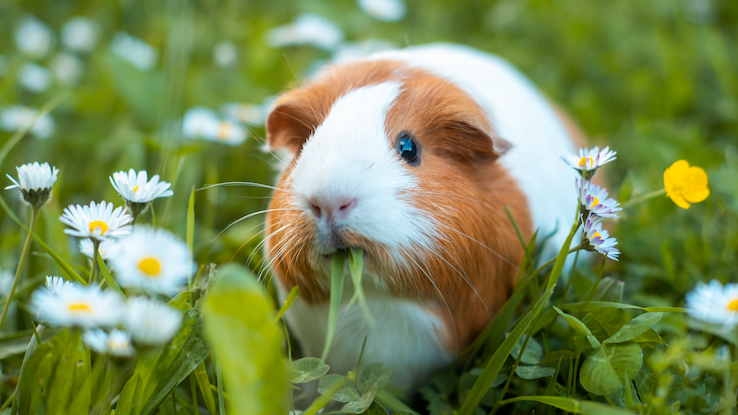
If you’re looking for a pet that’s more interactive than a fish but less maintenance than a dog, a guinea pig is a wonderful in-between choice. Guinea pigs are highly social and generally considered to be warm, friendly creatures. If you decide to add a guinea pig to your family, you can expect to hear adorable little squeaks.
When you add any pet to your family, it’s essential to know all about how to take care of them, their life expectancy, and potential issues that may arise. Today we’re going to discuss some background about guinea pigs, their average life span, if they’re predisposed to any health conditions, and finally, how to take care of them.
All About Guinea Pigs
With their warm, attention-loving personalities, guinea pigs make for excellent social companions. You can expect to spend plenty of time with your guinea pig, as they require daily interaction. Expert communicators, guinea pigs are known for making several noises with different meanings to express their feelings. In addition to this, they even “popcorn,” or jump in the air, when they’re happy. Like we said–adorable.
You can expect your guinea pig to be somewhere between eight to 11 inches long when they’re fully grown. As for weight, your guinea pig will likely weigh about two to three pounds. Guinea pigs come in a myriad of colors, so you can pick one out that you like the best.
Guinea pigs make excellent pets for families due to their welcoming disposition, the fact they keep a daytime schedule, and how they rarely bite, even if they’re experiencing stress. Still, they make great pets for adults, too. Even though they’re relatively small, your guinea pig truly will become a wonderful companion for you.
It is important to note that your guinea pig will require both opportunities to play and exercise outside of the cage. In addition, they need a relatively large cage to call home. Finally, their diets should be packed with adequate vitamin C and roughage.
How Long Do Guinea Pigs Live?
You might be wondering how long you can expect to have this sweet little companion by your side. Of course, there are several factors that can contribute to your guinea pig’s lifespan. If you take good care of them, they can live to be up to eight years old.
In addition to proper care, it’s important to know the signs and symptoms of potential health conditions. If you know what to look out for, this means that you’ll know when it’s time to call the vet for medical attention.
There are also genetic factors that can contribute to how long your guinea pig will live. This means that your guinea pig’s unique genetic makeup can dictate how long their life will be. Knowing more about your guinea pig’s parents can help you figure out details about their genes.
Are Guinea Pigs Predisposed to Any Health Conditions?
Just like there are red flags to keep an eye out for, there are also green flags that can suggest that your guinea pig is healthy and doing well. Some of these “green flags” that imply your pet is doing well includes:
- Eats and drinks regularly
- Active, alert, social
- Breathing is not labored
- Healthy fur and clear eyes
- Walks normally
- Communicates with squeaking
On the contrary, there are also red flags that suggest that something is wrong with your pet. If you notice any or all of these, you should reach out to your vet to set up an appointment.
- Lethargy
- Abnormal hair loss
- Distressed or labored breathing
- Weight loss
- Diarrhea or dirty bottom
- Skin lesions
- Overgrown teeth
- Eye or nasal discharge
In addition to this, knowing the signs and symptoms of common health ailments that plague guinea pigs can help ensure that you catch something before it becomes fatal.
Diarrhea
The first illness that can occur with your guinea pig is diarrhea. If this occurs, you should consult your veterinarian to determine the cause of the illness. This can help decide how you’re going to treat it. Some potential causes include a poor diet, stress, unclean housing, or internal parasites.
Scurvy
Scurvy is another potential illness that your guinea pig can suffer from. This is a disease caused by not having enough vitamin C. It results in poor appetite, sore joints, and bleeding from the gums. If untreated, this can become fatal. You should reach out to a veterinarian right away if you have any suspicions that your guinea pig might have this.
Malocclusion
Your guinea pig can also experience Malocclusion. This is caused by overgrown teeth. If you suspect your guinea pig has this, you should visit a vet to have your pet’s teeth trimmed.
Skin Conditions
There are also skin conditions to keep a watch out for. Guinea pigs can get lice, mites, or ringworm. Mites or lice are external parasites that could cause your pet to lose patches of hair. Ringworm, by contrast, is a skin infection caused by a fungus. Talk to your veterinarian to discuss the best course of treatment.
How Do I Take Care of My Guinea Pig?
Taking proper care of your guinea pig helps support them live a long, healthy life. There are several ways that you can take care of your guinea pig. This includes diet, housing, and grooming.
Diet
Your guinea pig needs a well-balanced diet. This consists of quality guinea pig food, Timothy hay, and vegetables and fruits (limited amounts of the latter, though). As we mentioned earlier, guinea pigs need vitamin C to survive and thrive. You can expect your guinea pig to require somewhere between 30 to 50 mg of this vitamin. While it’s best for your guinea pig to acquire this through their food, you can also provide them with supplements or fruits and veggies that are packed with vitamin C.
As for drinking, your guinea pig should have fresh, clean, filtered water free of chlorine. This should be changed daily and readily available to your pet. Finally, you should ensure that your guinea pig never gets their hands on chocolate, alcohol, or caffeine. These put your pet at risk for serious medical complications. Avoiding sugar and any high-fat treats is also a solid choice.
We mentioned Timothy hay earlier. This product should always be available for your guinea pig to munch on as a snack. Also, it’s important to note that fruit and veggies can be provided daily, but they should never make up more than 10% of your pet’s total diet. And if your guinea pig has leftover fruits or veggies, toss them out after 24 hours.
Housing
Despite their small size, guinea pigs need plenty of room to run and roam around. As a result, many people underestimate how much space their pet needs and provide them with too little. Your best bet is to give your guinea pig a large cage which you can purchase online or at a pet store. Another option is to create an enclosure pen and give your pet room to run around safely. No matter what, you should expect to allow your guinea pig to roam about freely for at least a little while daily.
The next part of guinea pig housing is their bedding. Your guinea pig will go to the bathroom wherever they want to, so you’ll need to use bedding that’s absorbent but not harmful. Wood shavings were once popular, but new information has emerged and suggested that there are better options out there. Fleece is a good choice, as well as paper-based bedding that’s suitable for small animals.
Grooming
Last but certainly not least, we have grooming. Learning how to groom your guinea pig is an essential part of being a pet owner. While you don’t need to brush your pet’s teeth, you are going to need to keep an eye on them. Similar to hamsters, guinea pigs’ teeth never quit growing throughout their lives. As a result, they can easily become overgrown.
Providing your guinea pig with toys they can chew is of paramount importance. Overgrown teeth can cause your pet a substantial amount of pain. In fact, they can even stop eating because of mismanaged teeth. If you have any questions about this, reach out to your vet.
Parting Thoughts
Guinea pigs make for a fabulous addition to a family for so many reasons. Their warm disposition and friendly demeanor mean that your guinea pig will enjoy spending time with you as much as you do with them.
Luckily, guinea pigs also have a longer life expectancy than some other similar pets. This means if you take proper care of your pet, you’re more likely to be able to spend a longer period of time with them.
SOURCES:
Guinea Pig Care & Facts: How to Take Care of a Guinea Pig | Petco
All You Need to Know About Guinea Pigs Lianne McLeod, DVM | Spruce Pets
Health Problems in Guinea Pigs | VCA Animal Hospital





