
How to Care for a Gerbil: A Beginner’s Guide
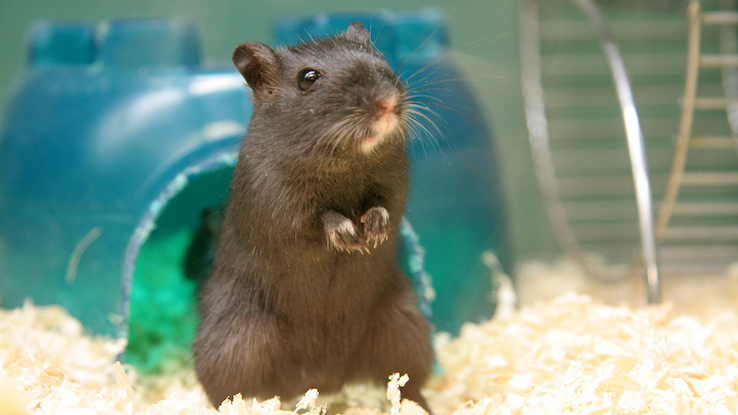
Gerbils are one of the most popular small animals to keep as pets, and with good reason. Not only are they naturally friendly, sociable creatures, they are also fairly easy to care for. With this beginner’s guide on all things gerbil you’ll be able to feel confident bringing home your new pet.
Gerbil 101
While gerbils and hamsters are often confused for each other, they are different species entirely. Gerbils are often most recognizably different because they have longer tails, longer, skinnier legs, and mostly unfurred ears.
Gerbils grow to be about four inches in length (not including their tails, which are usually as long as their bodies are). When cared for appropriately, they can live anywhere from three to five years. They also prefer to live in groups of two or more, preferably from the same litter and of the same gender.
They are fairly easy to care for pets, and they even urinate less than other small animals because of their status as desert mammals. Families with children older than five years old make great homes for gerbils, as long as the children are mature enough to handle the responsibility and safely touch them (with adult supervision). Gerbils are generally considered to be beginner-level pets.
However, it’s important to note that gerbils are known to be nocturnal. Because of that, it is best not to keep them in the bedroom as they can be pretty noisy and distracting during the middle of the note.
And, as with all small animals, make sure that you always get your gerbils from reputable places. That will help to prevent some of the problems associated with both stress and inbreeding.
Optimal Cage Conditions For Gerbils
Gerbils need space to be able to explore, which is why you should never keep them in a cage smaller than 10 gallons. The more space you offer them, the happier they will be. Look for either a wire cage or a glass tank with a well-fitting lid made out of wire mesh. Two levels or more are ideal as gerbils love to jump.
Make sure that the cage is located away from any drafts or direct sunlight. Gerbils need a stable temperature between 60 – 80 degrees Fahrenheit, but anything more than that can lead to heat stress or even heat stroke.
The bedding choice that you make is also important. Paper bedding or wood shavings are great. Make sure you avoid cedar or pine (which contain dangerous oils). You’ll want at least two inches of bedding at the bottom of the cage. You’ll also want to provide them with nesting materials like tissue paper or shredded paper towels.
In addition to the nesting materials, gerbils also need an enclosed area for resting and sleeping. Premade small animal caves, boxes, or flower pots are perfect. Lookouts are good, too, like rocks or higher elevation areas that they can perch on and look around. Anything that you can safely add to the habitat that keeps your gerbil interested is a good idea, as is moving them around regularly to keep your pet mentally engaged.
How Often Should You Clean The Cage?
Gerbils are naturally clean small animals, but that doesn’t mean that they don’t need their enclosure cleaned out regularly. Ensure that you remove all soiled bedding, uneaten food, and droppings as frequently as possible (once a day is preferable). Then, once a week, do a complete change of the bedding and scrub the entire enclosure down. The same goes for food bowls and water bottles.
Exercise Is Important For Gerbils
Gerbils are naturally very active creatures, so providing them with plenty of opportunities to exercise is important. Plastic exercise wheels work well so that there is no ability for their legs or their tails to get caught or stuck and injure them. Nesting also fulfills some of their need for activity, so making sure that they have enough nesting materials is essential.
Tunneling options are also great. Try PVC pipes, old paper towel or toilet paper rolls, or tubing made specifically for gerbils. They also make exercise balls that gerbils can use so that they can safely run around the home while you’re cleaning its cage out or just to get a little bit of extra mental stimulation and exercise.
What To Feed Your Gerbil
When it comes to feeding your gerbil, knowing their nutritional needs is essential.
The easier way to make sure that their needs are met is by providing them with gerbil mix. Available at most pet stores, gerbil mixes are made out of a combination of nutritionally complete ingredients like seeds, grains, dried vegetables, and pellets. However, you’ll want to monitor your pet to make sure that they’re not just picking out the “good” stuff. If you find that your gerbil tends only to eat the seeds or dried vegetables, you may want to pick them out before feeding them and use them as treats.
You can also supplement this diet with bite-sized pieces of fruits and vegetables. Fruits should only be given every other day due to the risk of diarrhea, while vegetables can be given daily. Peas, apples, carrots, bananas, and broccoli are safe choices. Avoid onions, chocolate, uncooked beans, and junk food. However, unsweetened breakfast cereals or tiny pieces of a whole wheat bread can be given occasionally.
Always make sure that your gerbil has a constant source of freshwater. Water bottles work great. Just make sure to change the water at least a few times a week.
Gerbil Health Care
Luckily, in general, gerbils tend to be fairly healthy. Even though they don’t have many health problems, it’s still a good idea to keep a daily eye on them to catch any problems that may pop up. You’ll want to watch both their behavior and their physical condition, as both are clues to how your gerbil is feeling.
Things to look for with your pet gerbil’s physical condition that may indicate an issue include weight loss, a difference in the appearance of their fur, or any obvious changes to their feces or urine (consistency, color, odor, amount, etc.). With behavior, changes in activity level or personality, like hiding more, are also potentially significant. Anything like this should be reported to your veterinarian.
You’ll also want to keep an eye on your gerbil’s dental health. Because their teeth are constantly growing, they need chewing options that can help keep them ground down. Good choices to provide gerbils to chew on include chewing toys that you can purchase from any pet store, untreated scrap lumbar, and even things meant for parrots like rope and wood toys. Overgrown teeth can lead to a decrease in appetite and eventual weight loss. You’ll also want to watch for any electrical cords if you let your gerbil out of the cage for playtime, as they are prone to chewing on anything available and can easily electrocute themselves.
Will You Be Able To Handle Your Gerbil?
With patience, most gerbils will be able to be handled eventually. By nature, most gerbils are friendly, sociable pets who enjoy spending time with you. However, it can take some time to make sure that your gerbil is used to you and feels safe.
A good way to do this is with basic bribery. The ASPCA suggests starting with small treats while your gerbil is still in its cage. Once you feel like they are comfortable with that, try to gently scoop them into your hand while keeping them inside their cage. That way, if they get scared, they can’t jump out of your hand and get injured. Never pick your gerbil up by its tail, either, as this can cause not only pain but also lasting, irreparable damage.
After some time has passed and you’re confident that your gerbil is comfortable with you, you can start to allow them some time out of their cage in a safe, supervised environment.
Keep in mind, because gerbils are classified as rodents, they do have the potential to carry germs that may make you or your family ill. Because of this, they are not recommended for households with children under the age of five, elderly people, or those who may be immunocompromised. To help reduce your risk, make sure that you wash your hands thoroughly after either handling your gerbil or cleaning its habitat.
In Summary
Gerbils are a great pet for beginners because they are easy to care for and sociable enough to spend time with. When you use the care tips, including where to keep your new pet and what to feed them to keep them healthy, your new gerbil will fit into your home safely and comfortably and live happily for their entire life.
Sources:
Routine Health Care of Gerbils – All Other Pets | Merck Veterinary Manual
Pet Rodents | Healthy Pets, Healthy People | CDC





