
Everything You Need to Know About Caring for Your Djungarian Hamster
Caring for a Djungarian hamster isn’t unlike caring for other types of hamsters. That said, there are some things you need to know if you’re planning on adopting one as a pet.
In the sections below, you will find a wealth of information detailing all that goes into caring for a Djungarian hamster. When you follow these helpful tips, you can look forward to a positive experience.
Buying Your Hamster
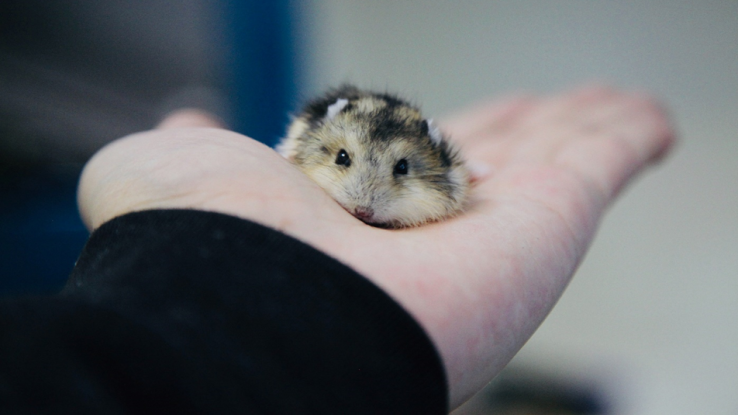
To ensure that there are fewer potential risks along the way, it’s best to buy a young Djungarian hamster because Djungarian hamsters typically live just one to three years in captivity. Interestingly, Djungarian hamsters have a shorter lifespan in the wild, usually living around one year.
When choosing from your available selection of Djungarian hamsters, you want to examine their noses, eyes, and fur closely. Pick out a hamster with remarkable, healthy features. If you can see bald patches in the fur, this could be a sign of illness.
Therefore, it’s important to avoid hamsters that look sick or ill. Another critical factor is the tail. Hamsters can contract an infectious disease known as “wet tail.” Wet tail is the most common disease among the hamster species; it can be serious or even fatal if it isn’t treated right away.
Furthermore, wet tail is usually found in young rather than adults. If you see a young Djungarian hamster with a wet tail, it is better that you avoid it and consider another.
Gender

Since it is very difficult to determine the gender of a young hamster, you should request the assistance of an employee. Suppose you already own hamsters and are going to be introducing another Djungarian hamster into the mix. In that case, you’ll want to buy a male if you’re trying to control your hamster population.
There is no way to spay or neuter hamsters. As such, separating males from females is the only solution to avoiding unwanted pregnancies.
If you do wish to breed Djungarian hamsters, you mustn’t try breeding with other hamster species. Doing so could result in reproductive problems.
Hamsters form a close bond throughout their lives. However, pregnant females can become aggressive and mean toward males. You may need to separate the male and female for a time, as it’s likely that the male will hide from the female.
When giving birth, the litter can be between 4 and 14 pups. So you may eventually need to give some away.
Choosing the Right Housing
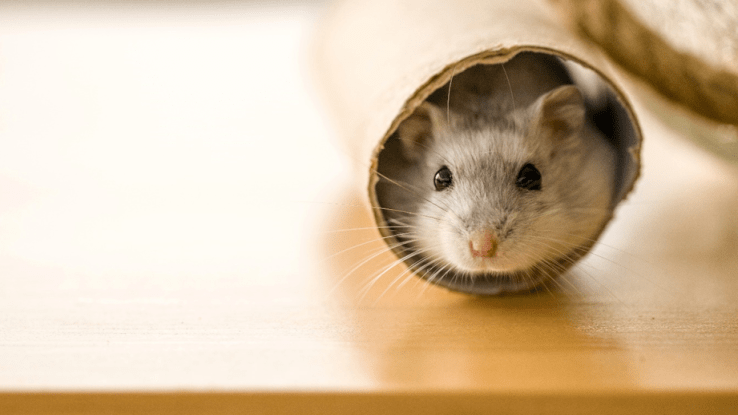
Djungarian hamsters do well in tanks or cages. However, there are a few details to consider if you choose to use a cage. Firstly, hamsters are capable of flattening their bodies to incredible proportions. Therefore, you want to make sure that the bars that line the cage are closely together.
To determine if a cage is sufficient for accommodating a Djungarian hamster, make sure there are no gaps that are the size of your hamster’s head. Consider that some hamsters, such as dwarf hamsters, are capable of squeezing through openings as small as three centimeters.
If their skull can fit through it, the rest of their body can, as well. If you’re at all concerned with your Djungarian hamster escaping from its enclosure, you may want to stick with a tank. Just make sure that the lid has plenty of ventilation.
You may want to keep your Djungarian hamster in a room separate from where you sleep. As nocturnal creatures, you should expect your pet to be pretty active throughout the night. As such, your hamster will likely be playing with any toys placed in its housing, such as a wheel or ball.
Moreover, nighttime is when your Djungarian hamster will be digging, scratching, burrowing, and squeaking. If noises tend to interfere with your sleep, having a hamster in your room won’t help matters.
Not only does a hamster’s housing prevent it from getting out, but it also keeps things from getting in. If you have other pets in the home, specifically cats and dogs, you need to make an active effort to keep them away from Djungarian hamsters.
When choosing a spot to place your hamster’s housing, make sure that it isn’t in direct sunlight and that there is access to a filled water bottle at all times. There are water bottles specifically designed for hamster cages that can be hanged and easily refilled.
Bedding

Some of the best bedding you lay down for your Djungarian hamster is wood shavings, not to be confused with sawdust. As a matter of fact, sawdust can prove to be particularly troublesome for your hamster, as the fine powder-like material can get in and irritate its eyes.
Avoid using wood shavings made of pine or cedar. As nice as these woods smell, the oils used in them can bother hamsters. You can buy safe bedding for hamsters in most pet stores. If you’re unsure which wood shavings are safe, stick with pre-packaged hamster bedding.
Material like fabric should be avoided, as well. Since hamsters like to dig, chew, and burrow, fabric bedding can pose a threat.
Maintain your hamster’s bedding by changing it often. If there is old leftover food, throw that out with the bedding, too. Since your hamster uses the bathroom in its bedding, you’ll need to wash its cage or tank on occasion.
The best cleaning schedule for your hamster’s housing is to do so on a weekly basis. When you do, be sure to use a cleaning solution that is safe for hamsters. You can find these specially-made formulas in most pet stores.
Feeding, Bathing, and Exercise

It’s important to make sure you use the proper feeding dish for your Djungarian hamster. Bowls made of plastic present a choking hazard, as hamsters are prone to chewing on their surroundings. A solid earthenware bowl will serve nicely and keep your pet safe.
When placing their feeding bowl in the cage, it’s a good idea to do so at a different level than your hamster’s bedding. And since hamsters are active at night, try to get into the habit of feeding your little furry friend at night, as well.
You can find a variety of hamster foods in many stores that carry pet food. Hamster food is made up of compounds with all of the essential vitamins and nutrients a hamster needs to stay healthy. When combined with daily exercise, your hamster should thrive in its surroundings.
What’s more, hamsters have teeth that continue to grow throughout their lives. As such, it’s good to provide your Djungarian hamster with chew sticks, as these will help to keep its teeth a healthy length. You can buy specially-made chew sticks or provide your own.
Just make sure that what you are giving your hamster is non-toxic. For example, wooden popsicle sticks and similar items work well as something safe to chew on.
If you choose to give your Djungarian hamster a bath, it’s important that you don’t use water. Instead, sand baths are ideal for bathing hamsters. You can buy bathhouses for hamsters that make it easier to give them sand baths.
Since your hamster will have limited room in its cage or tank, you want to make sure that they have a way to plenty of exercise. The best way to ensure this in a confined space is to add a running wheel.
These wheels serve to allow for stationary running, thus keeping your hamster healthy and strong. When choosing a running wheel, it’s best to go with a solid one.
Wheels with rungs can result in injury, while solid running wheels allow for safe movement. A hamster ball is another valuable item that allows your little pet to move around freely while out of its housing. And if you have larger pets in the house, the ball will keep your Djungarian hamster protected.
Even still, you should keep a watchful eye on your hamster while in its ball. Dogs and cats may try swatting or attacking the ball, which can lead to injury. Steps are another potential hazard that you want to avoid.
Additional Tips
Did you know that hamsters can get used to your voice? Like cats and dogs, hamsters can even learn to respond to their name. And while Djungarian hamsters are wonderful little pets for children, it’s important to remember that hamsters may bite if they are bothered.
As such, toddlers shouldn’t be given a hamster. Not only could it present a safety issue, but improper handling could result in biting and injury.
In Summary
With the right care, you can look forward to giving your Djungarian hamster a safe, happy life. If you’re unsure which products to buy, your local pet store can help you pick out the best ones for your new hamster. Want to learn more about hamsters and pets for kids? Be sure to look online for answers to all of your questions.
Sources:
What Is Wet Tail, And How To Save Your Hamster’s Life | First Hamster
Hamster & Gerbil Cages & Habitats: Small to Large | Petco
Hamster Cage Bedding and Sleep Nesting Options | Caring Pets





